Stuck In The Box
Summary
This First Person 3D horror game revolves around surviving and solving puzzles to find a way out of an abandoned fun house. The game was developed in Unreal Engine 5 by myself and a few teammates from Falmouth University.
The project was part of a course, but also an opportunity for me to practice and apply knowledge learned from previous modules into this one, while getting used to teamwork and the agile method. The game was completely developed in 3 months.
My primary roles were to design and prototype core game mechanics with blueprints in UE5.


Game Concept
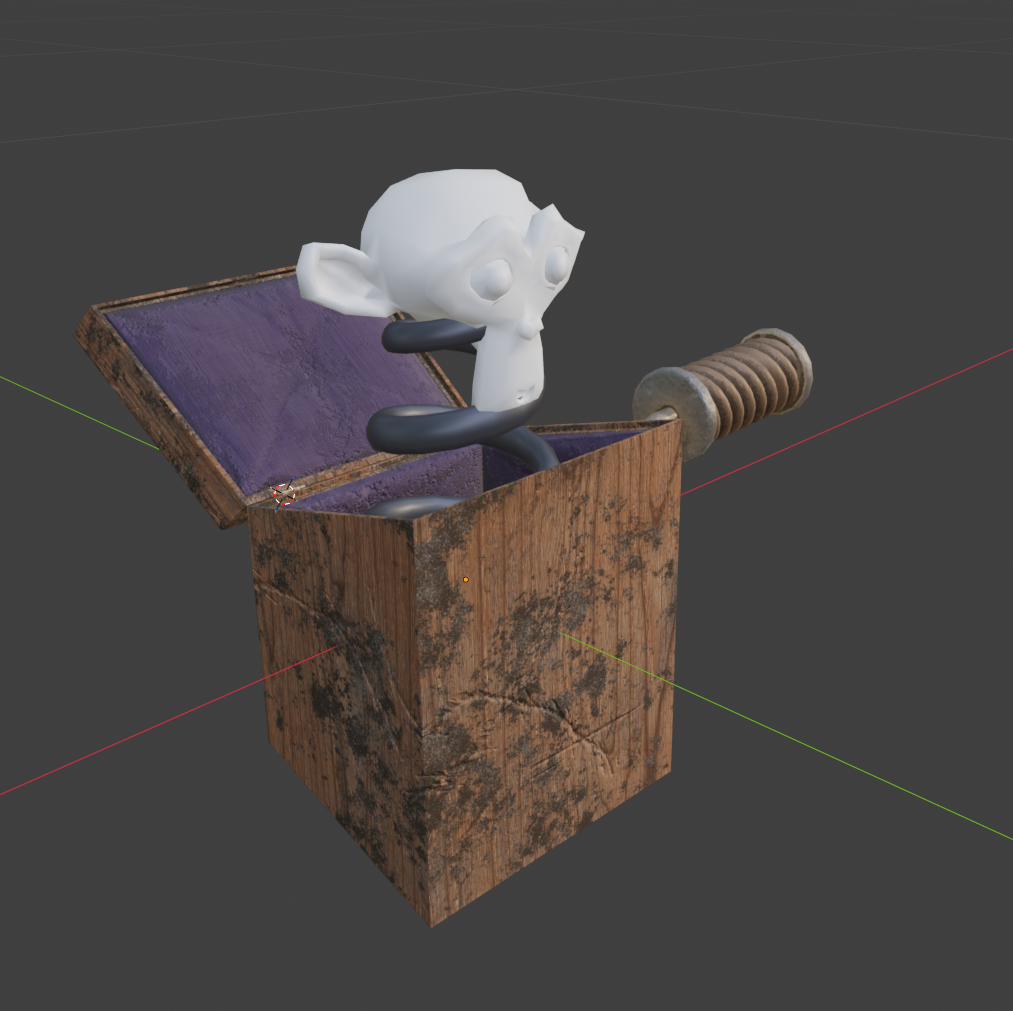
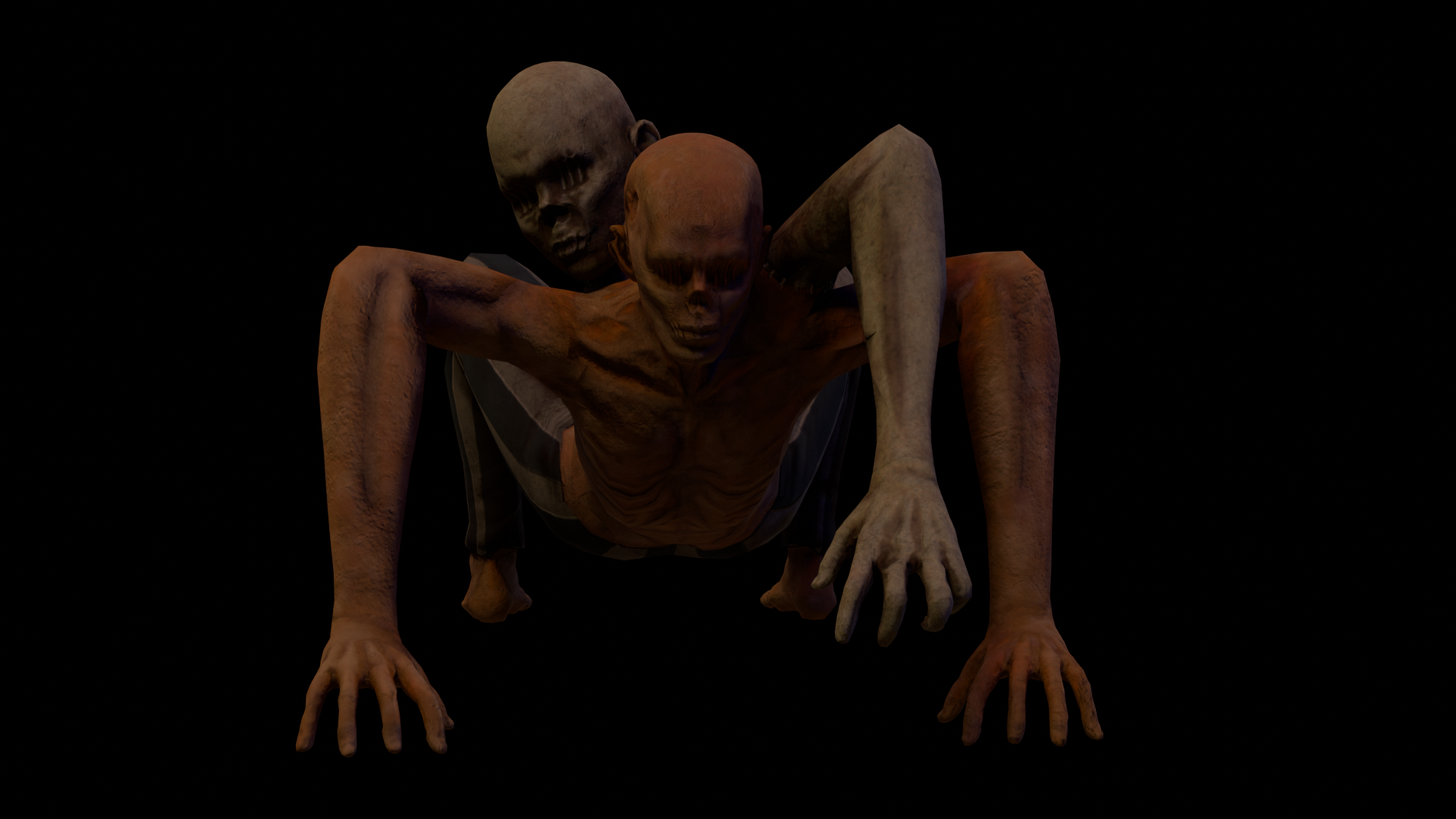
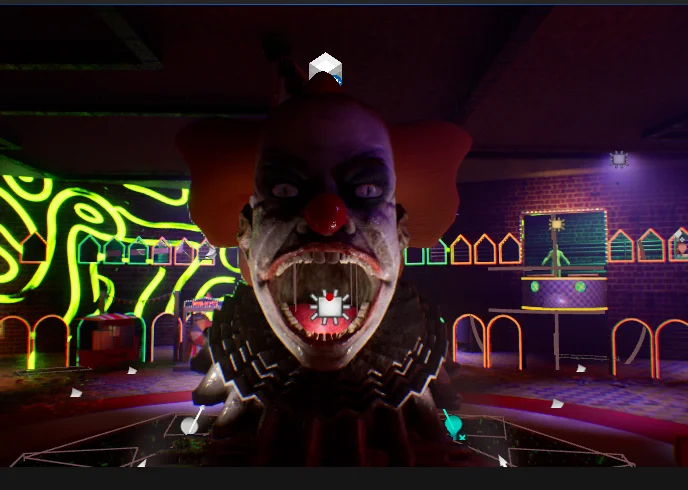
Kidnapped and trapped inside this twisted funhouse, you must sneak your way to freedom without making a sound while a deadly jack-in-the-box has been strapped to your chest
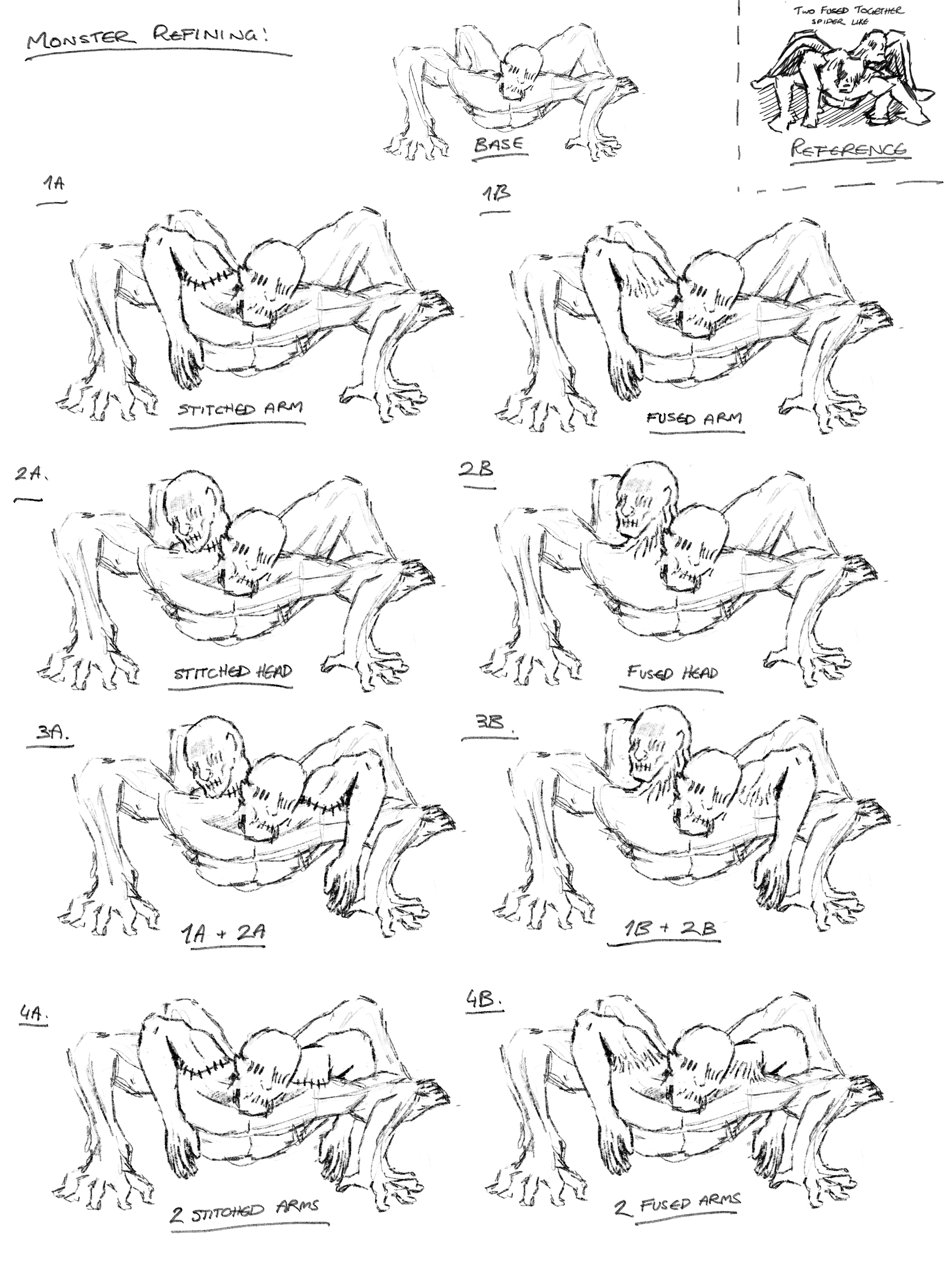
Solve unsettling puzzles and navigate the decaying park whilst something sinister lurks in the dark.
My Contribution
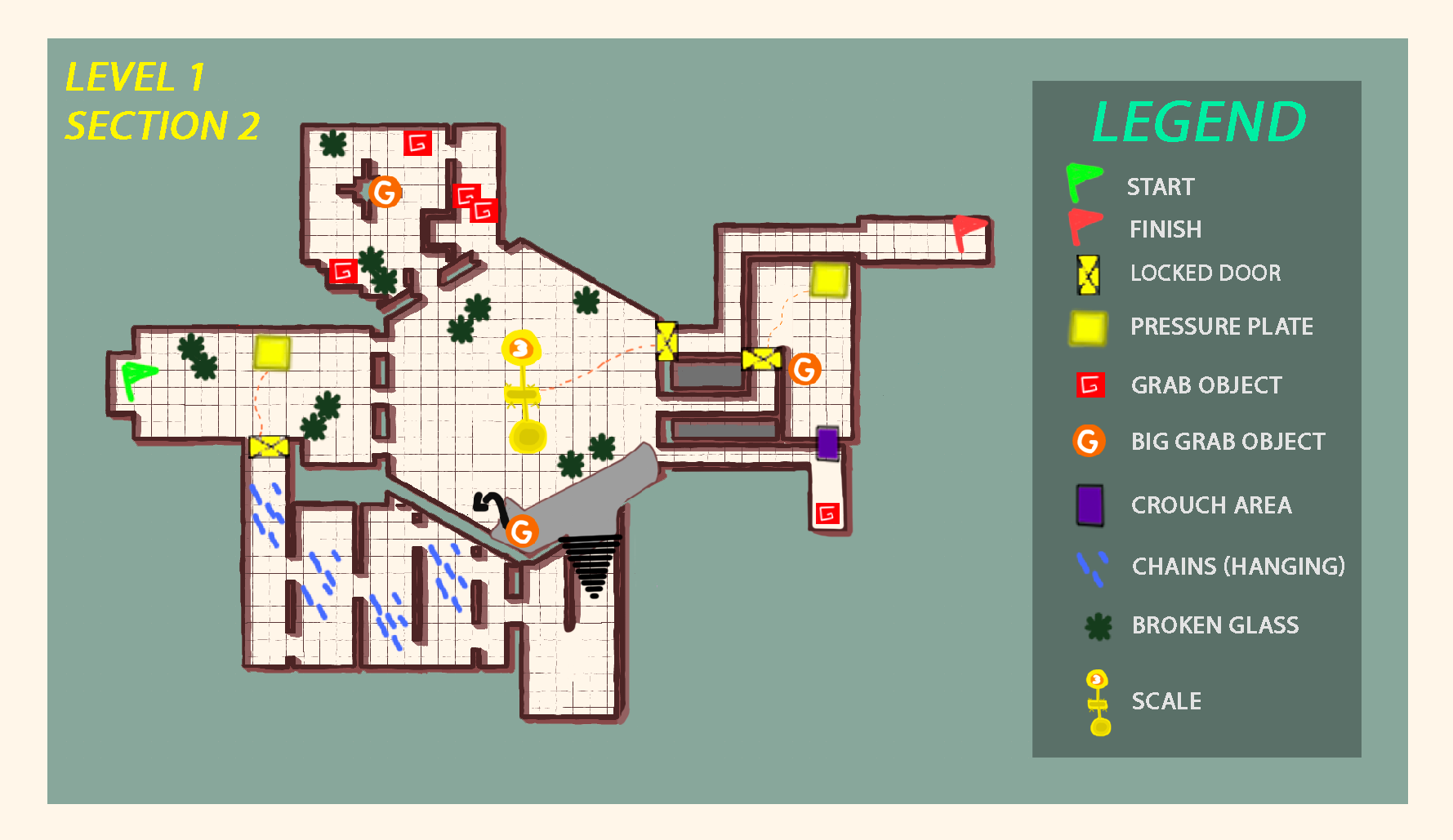
As one of the three game designers on the team, I collaborated on developing our agreed-upon concepts and created prototypes — such as pressure plates and a "can knockdown" mechanic — to gain objective insights into player-environment interaction, particularly regarding the discovery of key items we had hidden across the map.
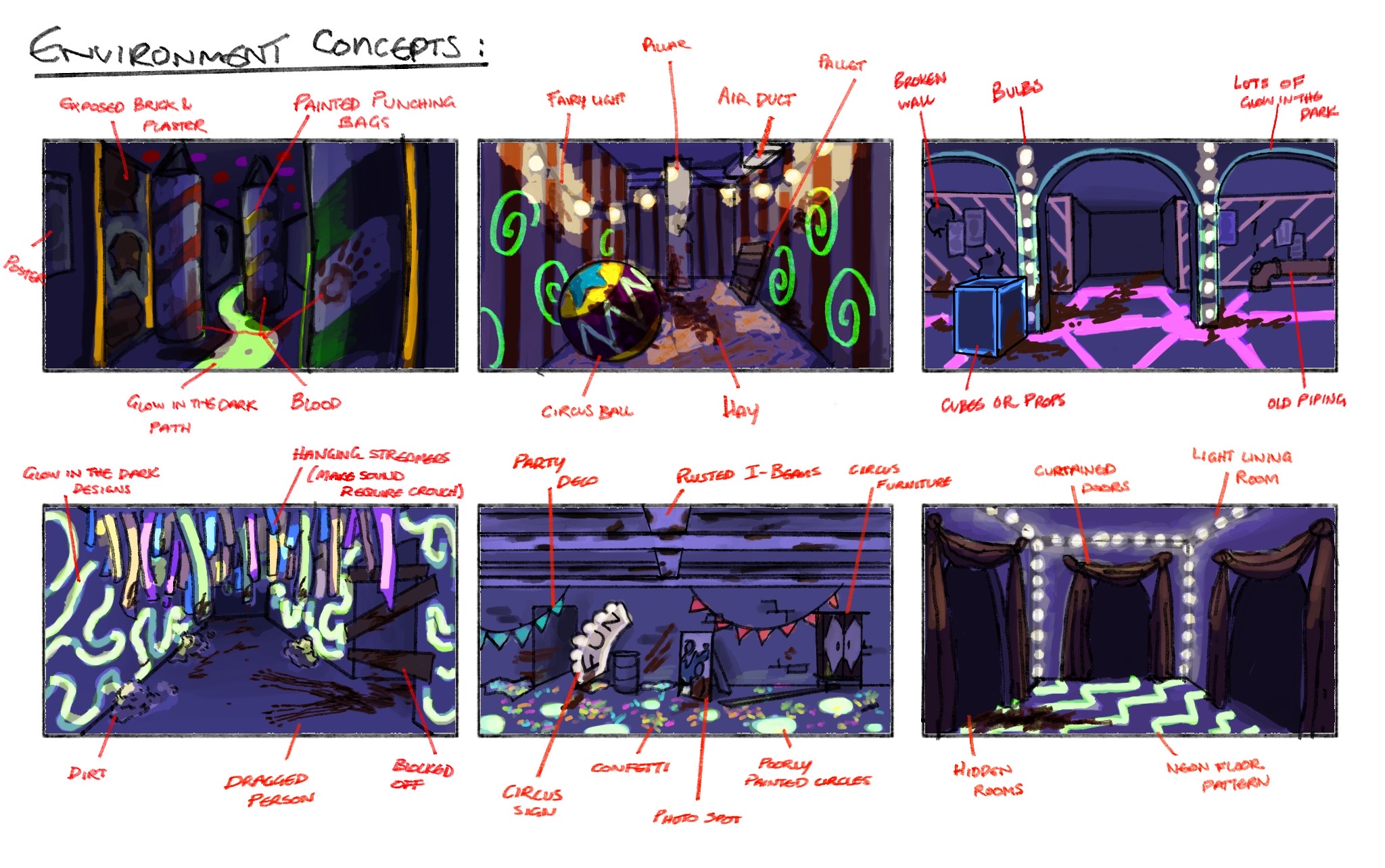
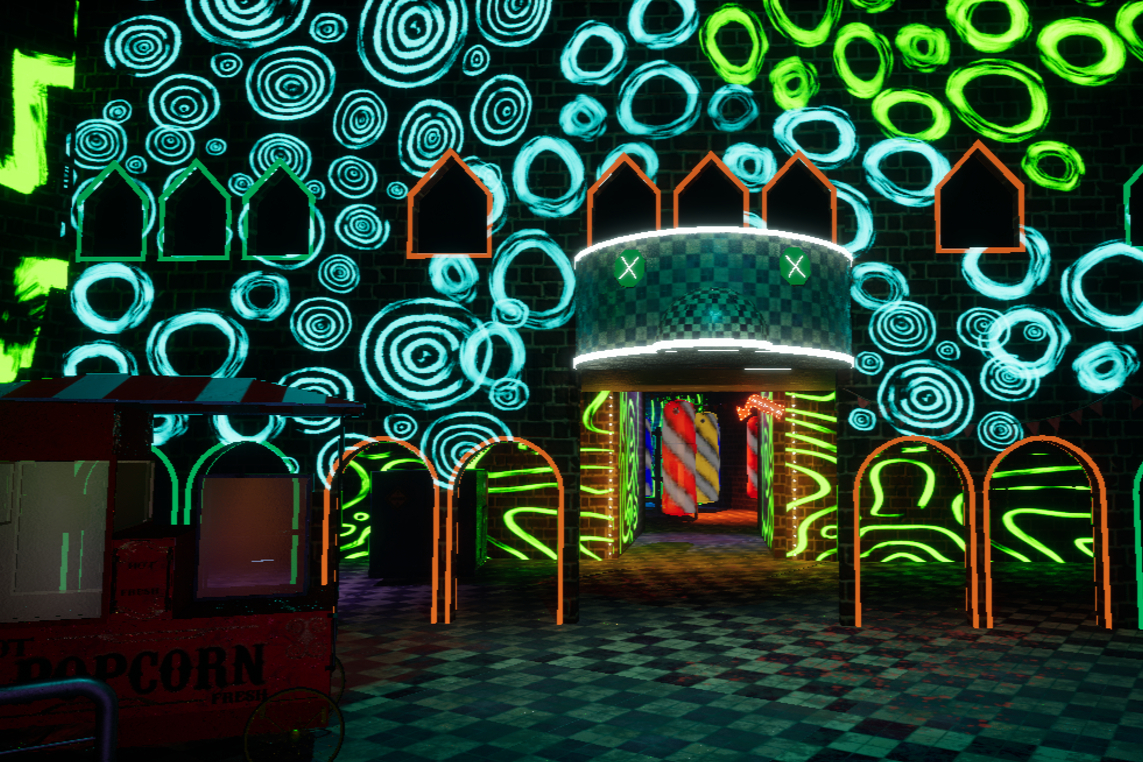
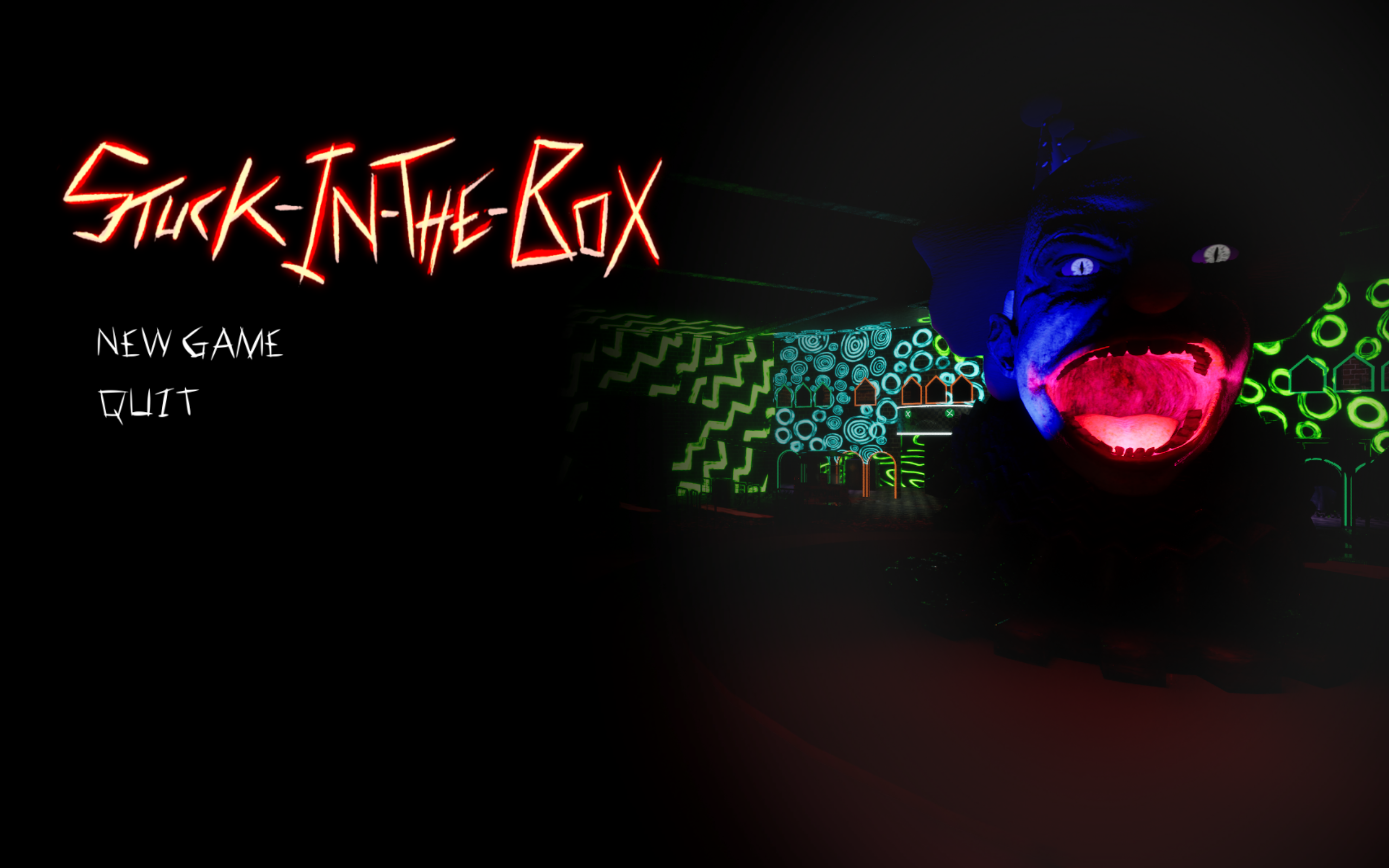
I also handled programming for supplementary features like sprinting, crouching, and crosshair logic (which toggles visibility based on object interactability, giving players a sense of cleverness by letting them know beforehand what can be interacted with). Furthermore, I designed UI elements such as the main and pause menus, and handled environmental dressing for specific areas of the map.


Achievements and Challenges
Cross-discipline collaboration
Agile methodologies
Tight timeframe
Prototype clarity
The most valuable takeaway from this project was the opportunity to collaborate with peers from diverse disciplines—simulating a real studio environment—while practicing Agile methodologies and applying knowledge gained from previous modules regarding prototyping and brainstorming.
However, the project was not without its challenges. The most obvious hurdle was the tight three-month timeframe for developing a complete project, which forced us to constantly refine and narrow the scope to meet the schedule. Additionally, translating the ideas in my head into prototypes that artists and programmers could understand proved more difficult than anticipated; misunderstandings arose, or the prototypes lacked sufficient clarity and detail. This experience highlighted the need to improve how I communicate prototypes—specifically by planning ahead and breaking down information to ensure greater clarity.
Fortunately, the team was enthusiastic and proactive, allowing us to manage the division of labor effectively and overcome these communication hurdles smoothly.